
We offer a wide collection of free, high-quality printable coloring pages for kids and adults. From cute animals to intricate mandalas, our designs bring creativity and relaxation to everyone. Download, print, and start coloring today!

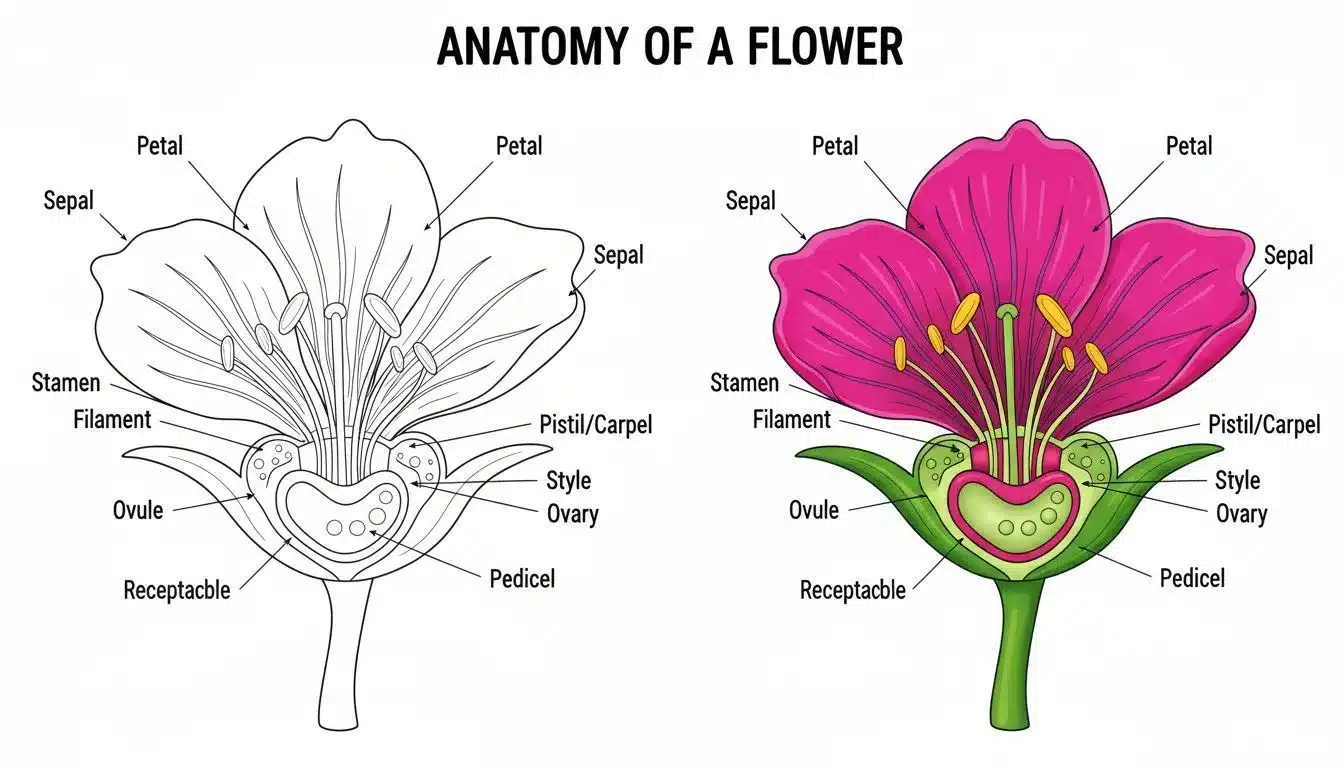
Have you ever wanted to combine learning with a relaxing, creative activity? Whether you’re a parent looking for educational fun, a teacher seeking classroom resources, or simply someone who enjoys the meditative nature of coloring, anatomy of a flower scientific coloring pages offer the perfect blend of both worlds.
Table of Contents
These beautifully illustrated pages transform botanical education into an engaging, hands-on experience that appeals to learners of all ages.
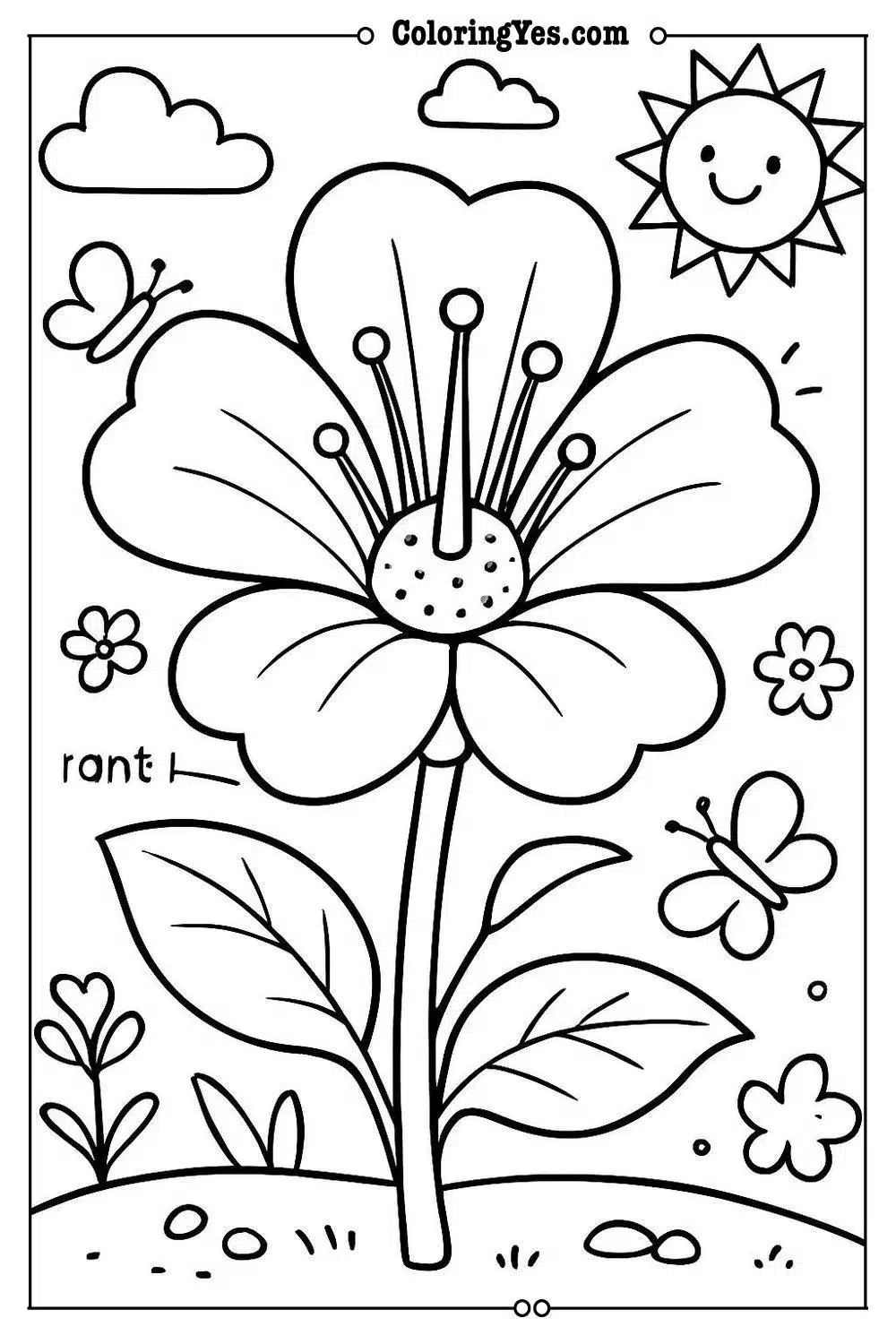
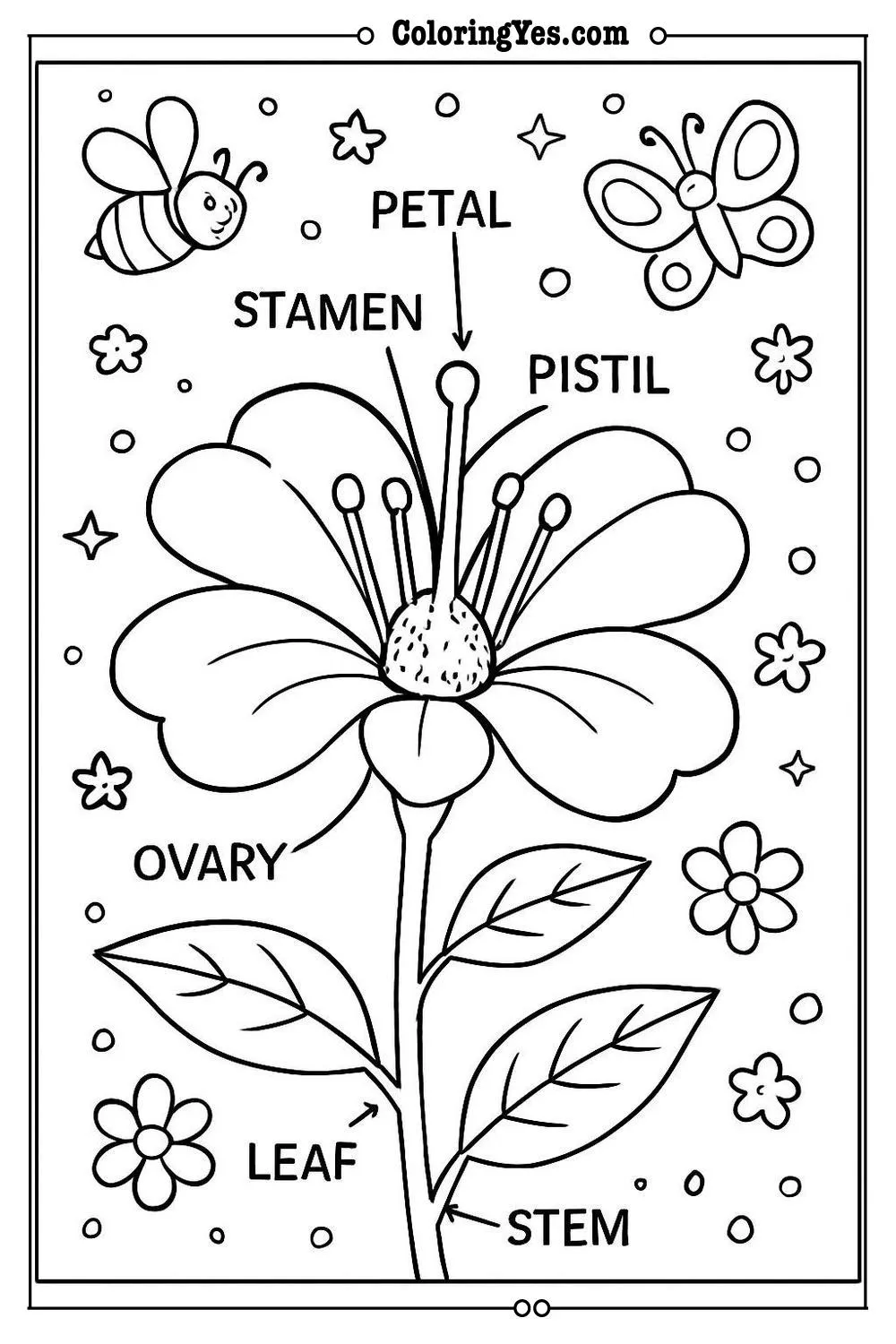
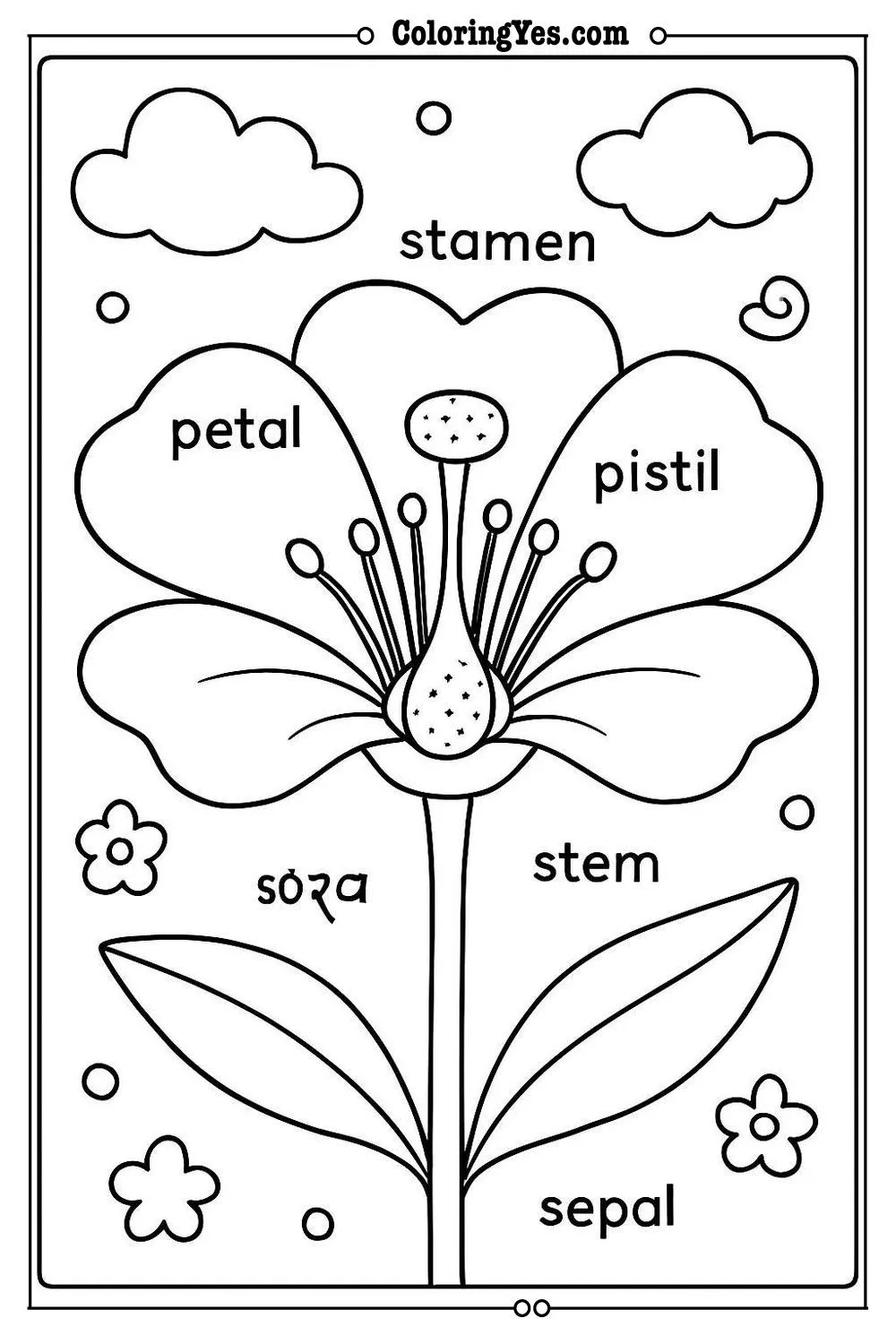
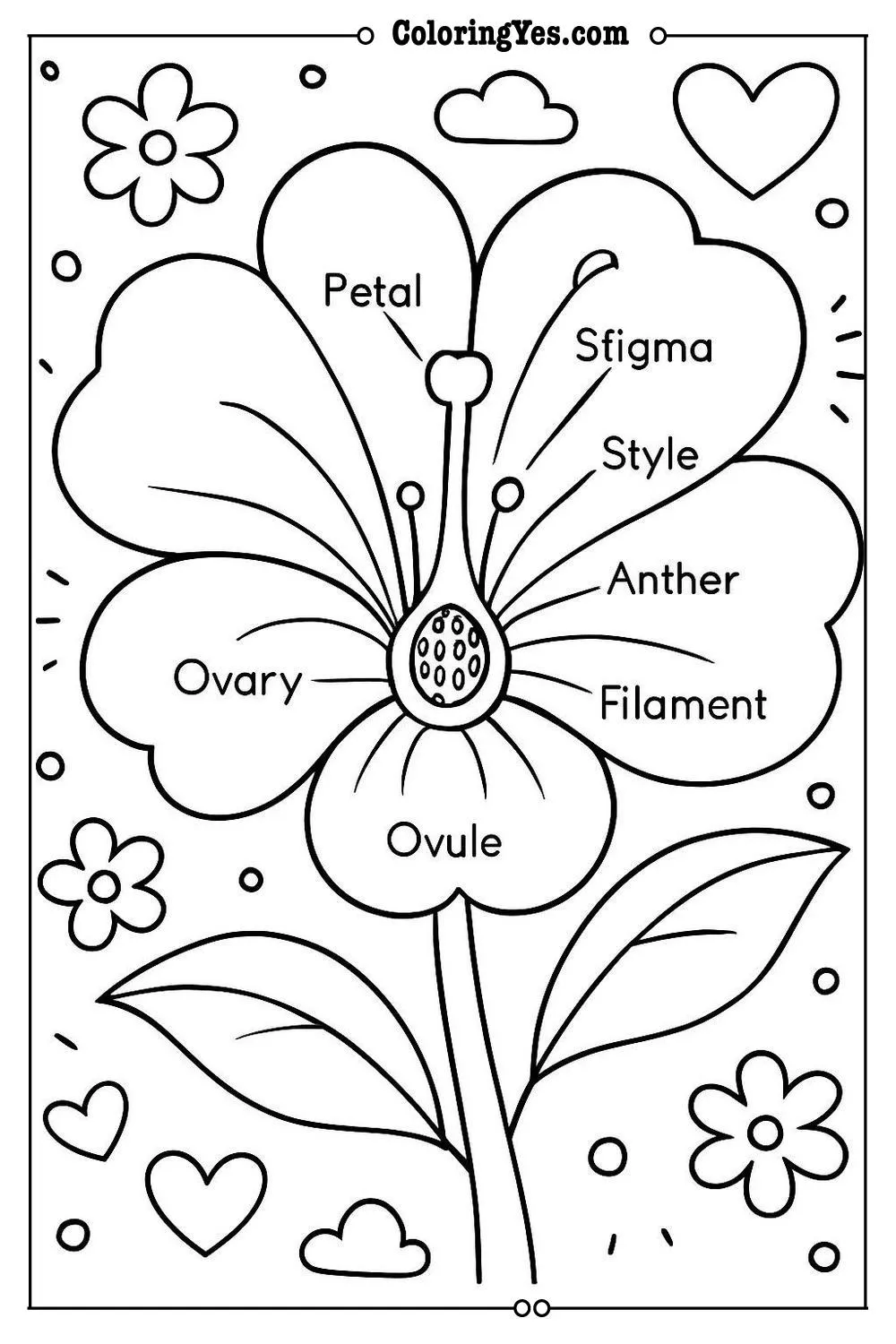
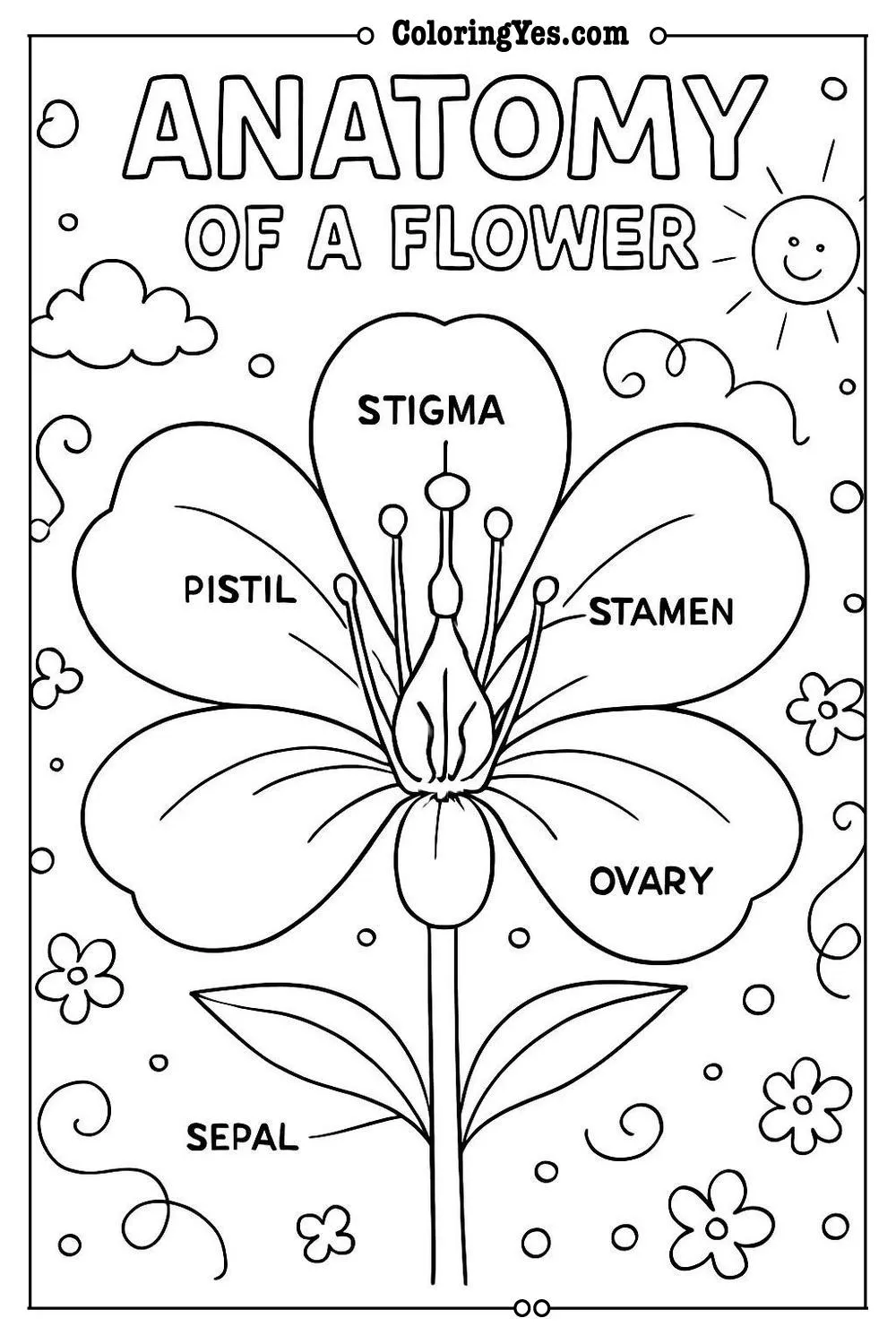
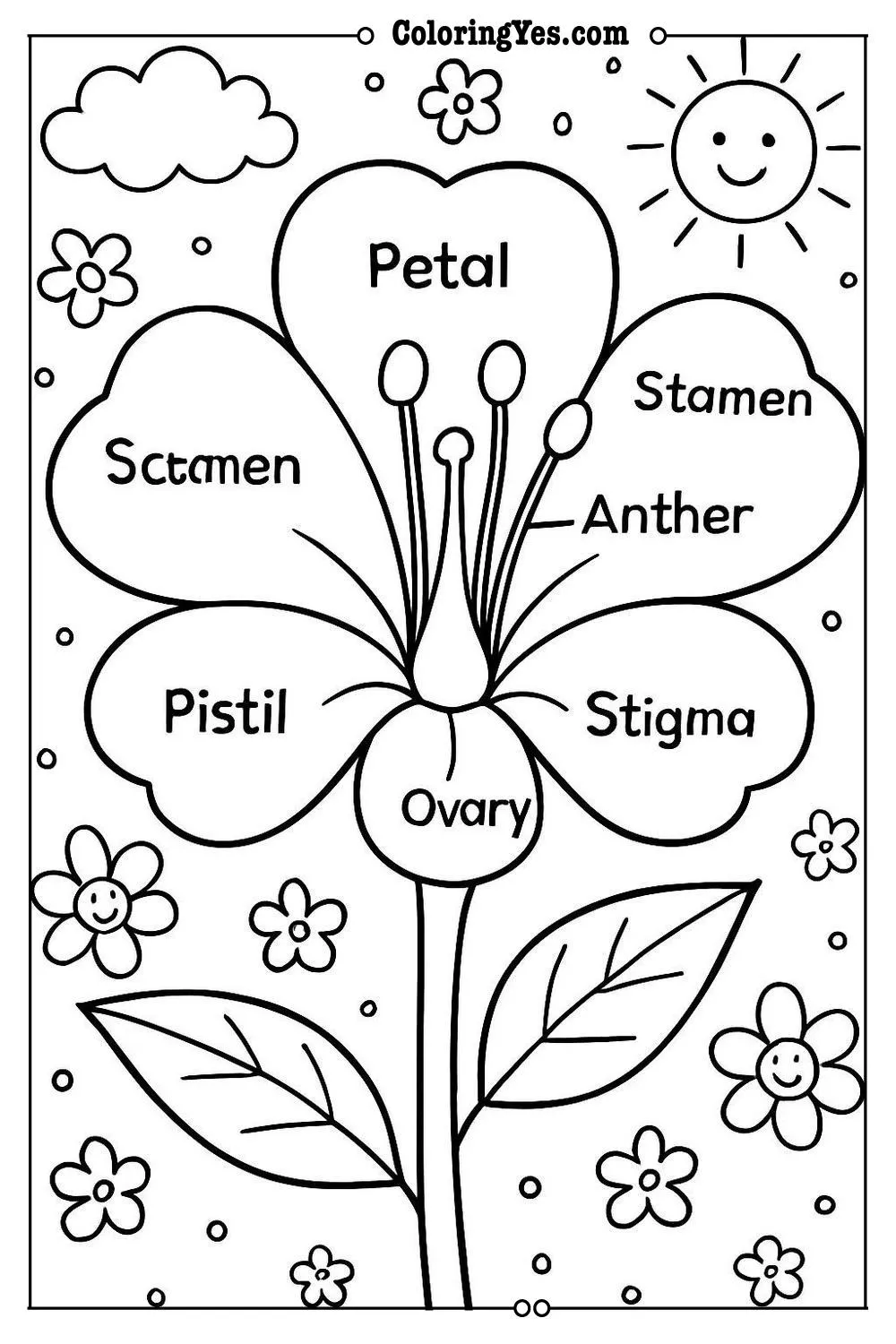
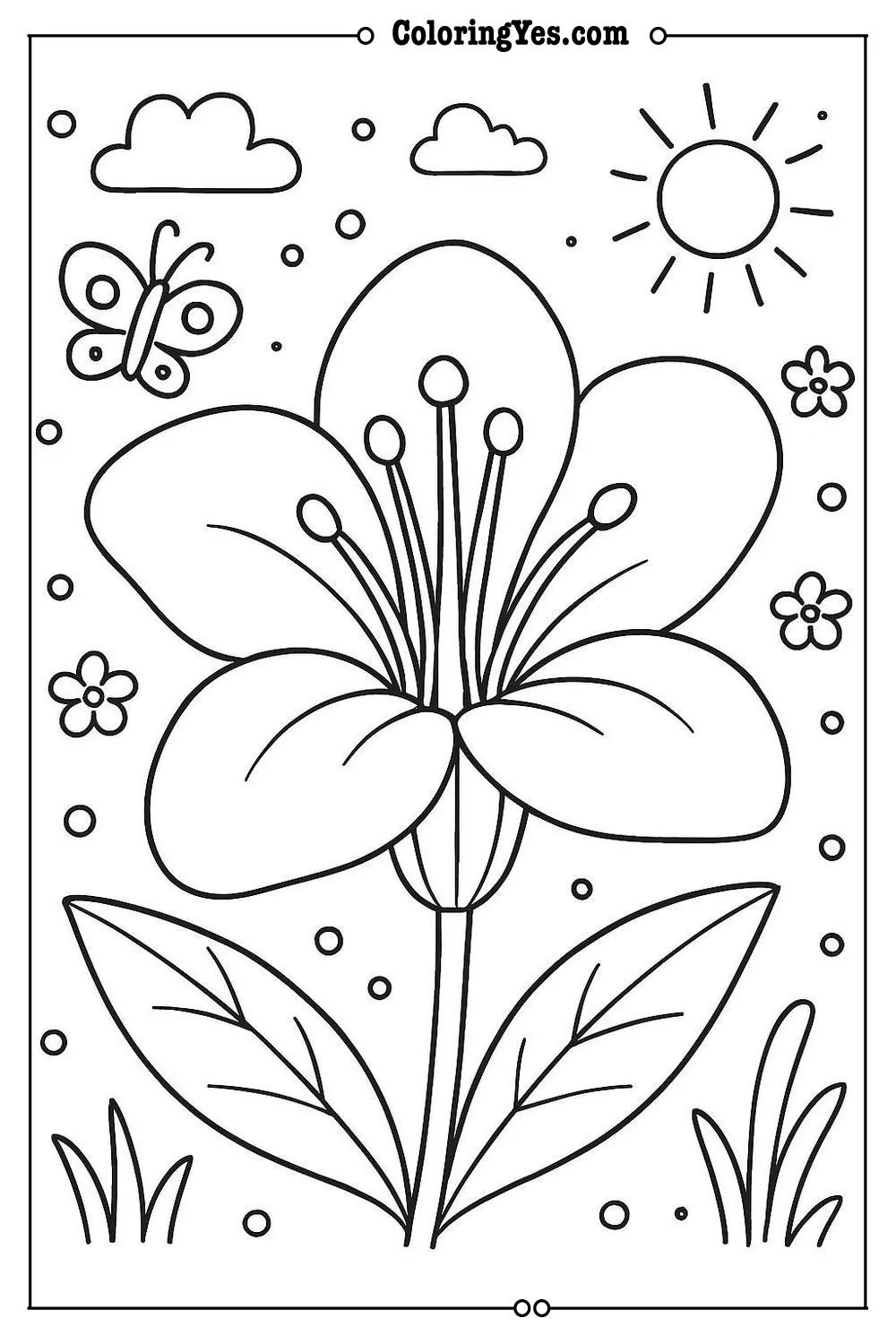
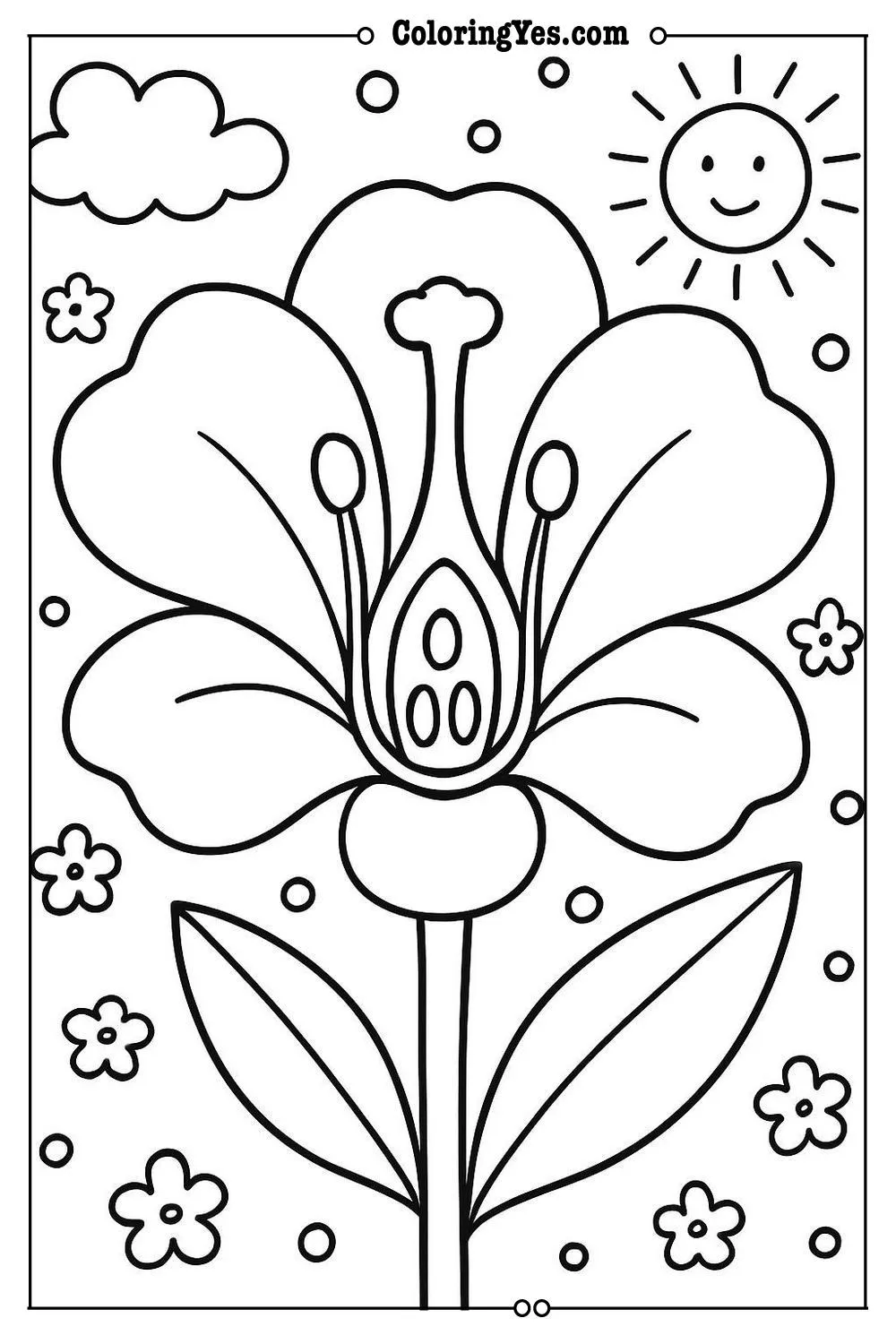
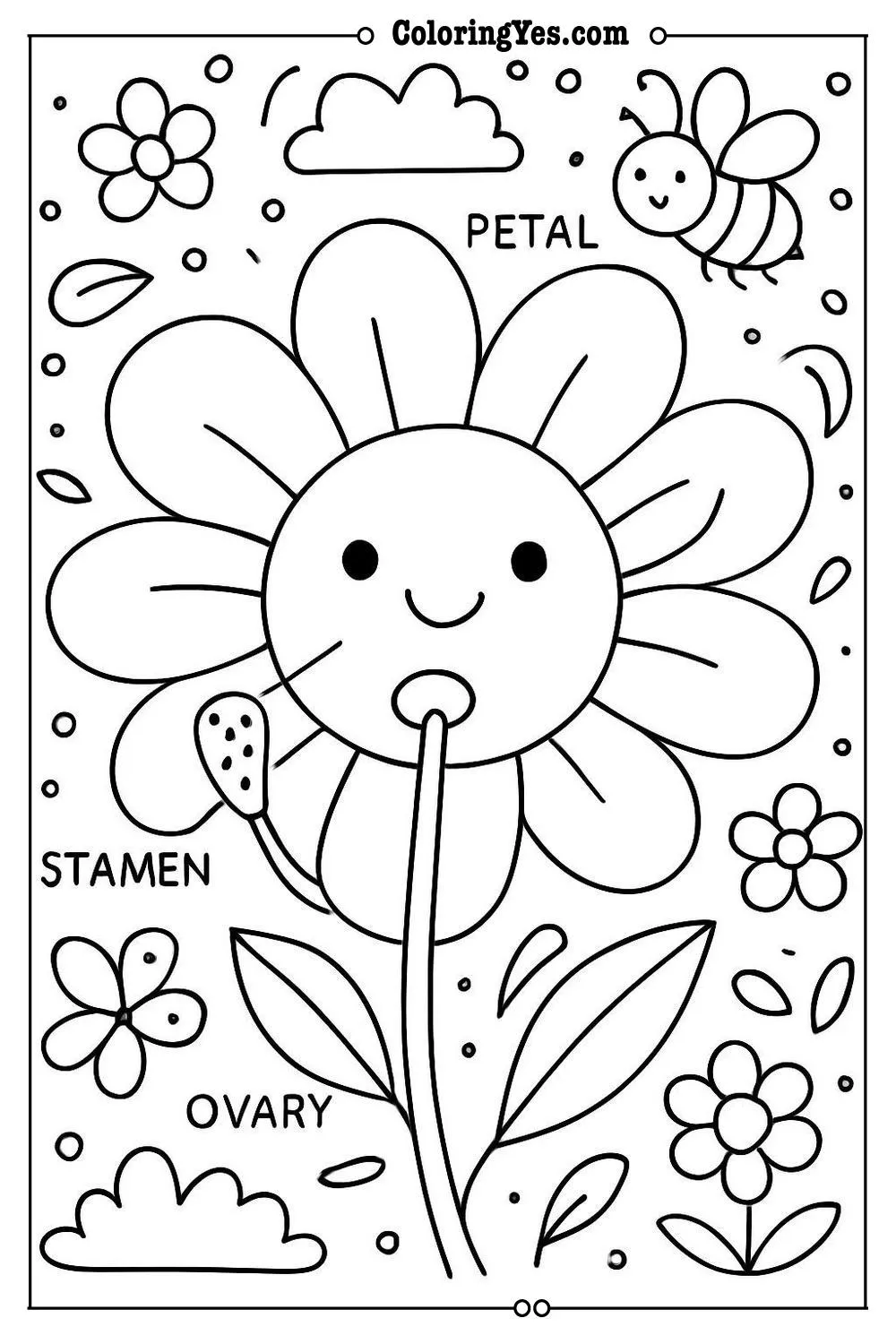
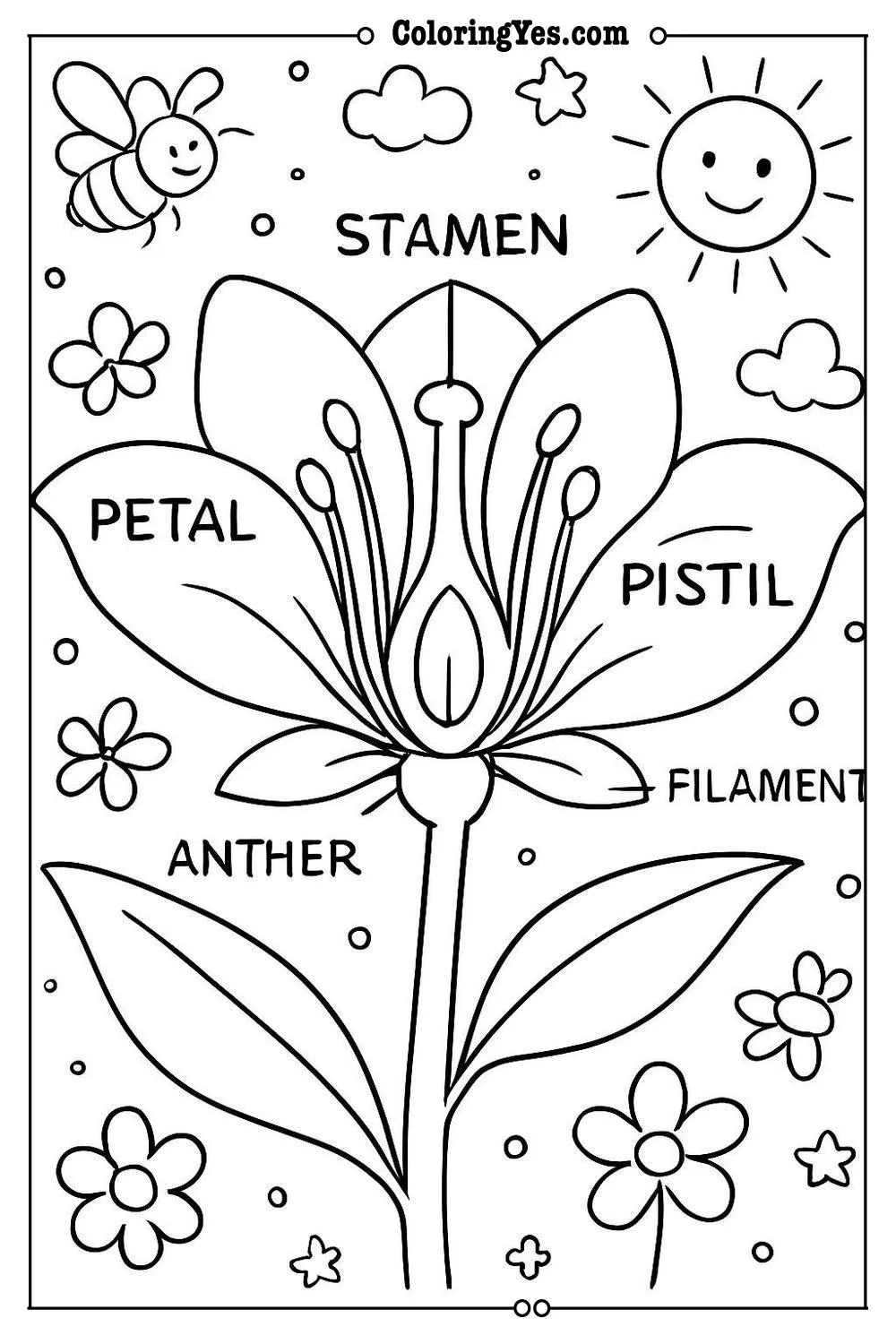
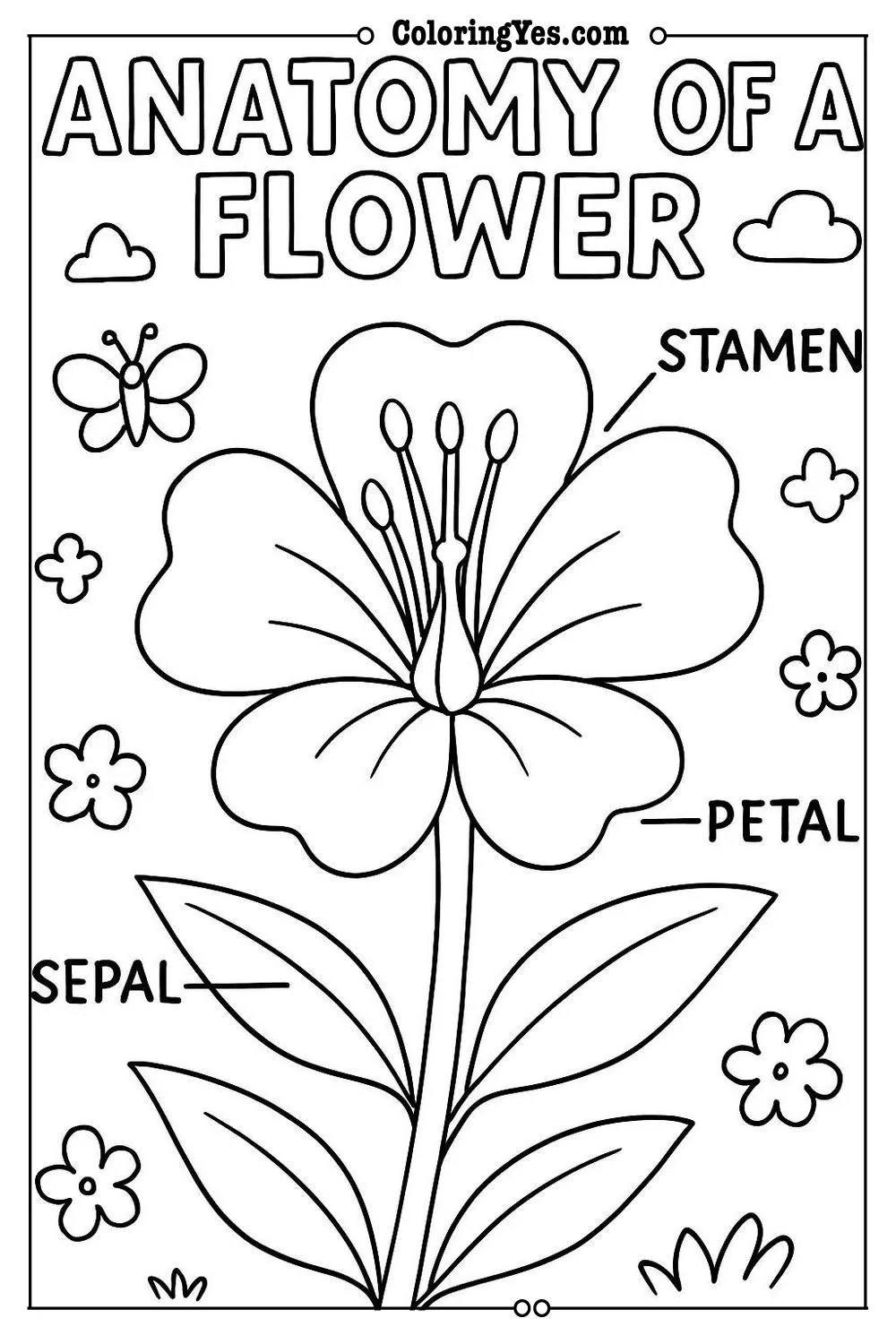
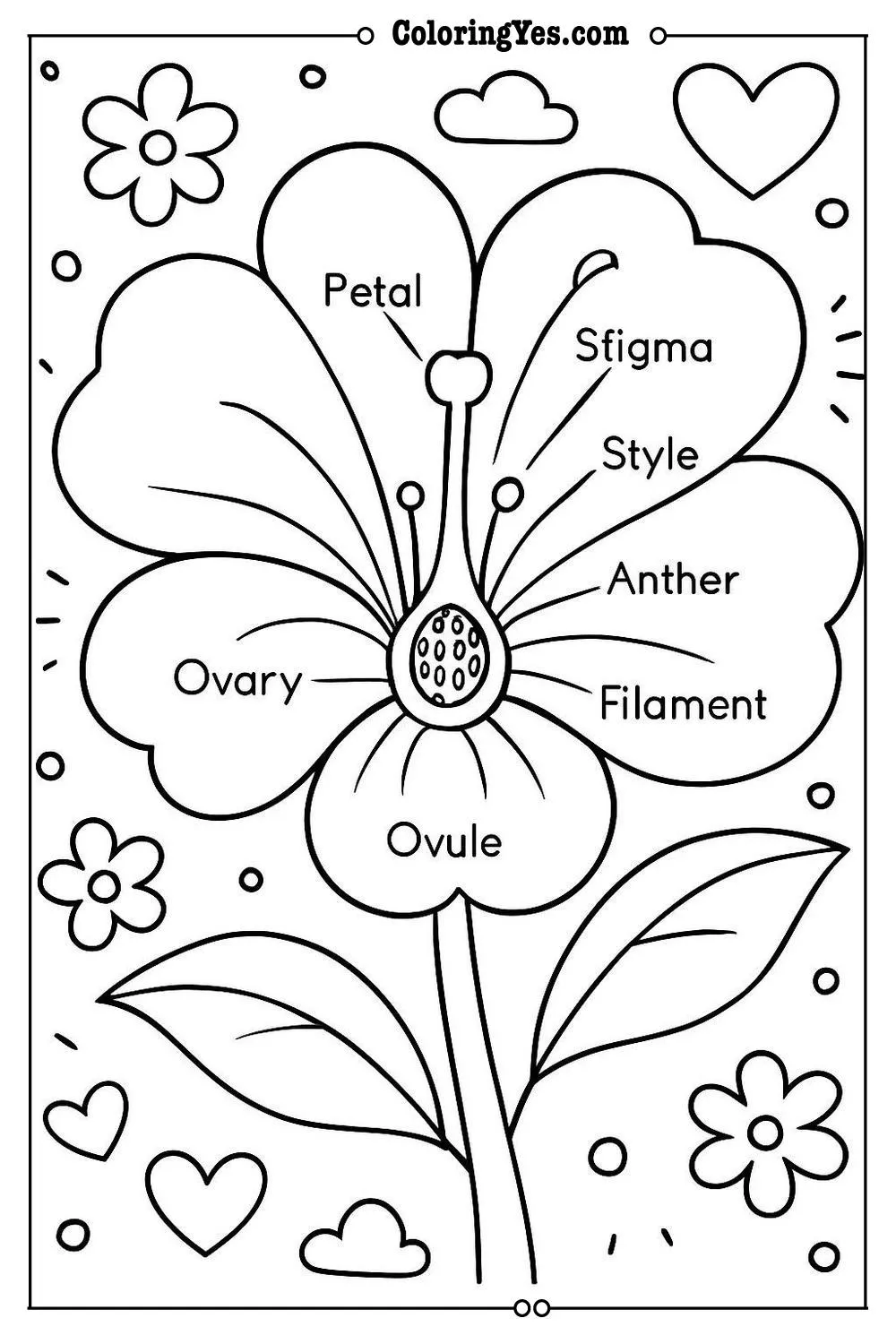
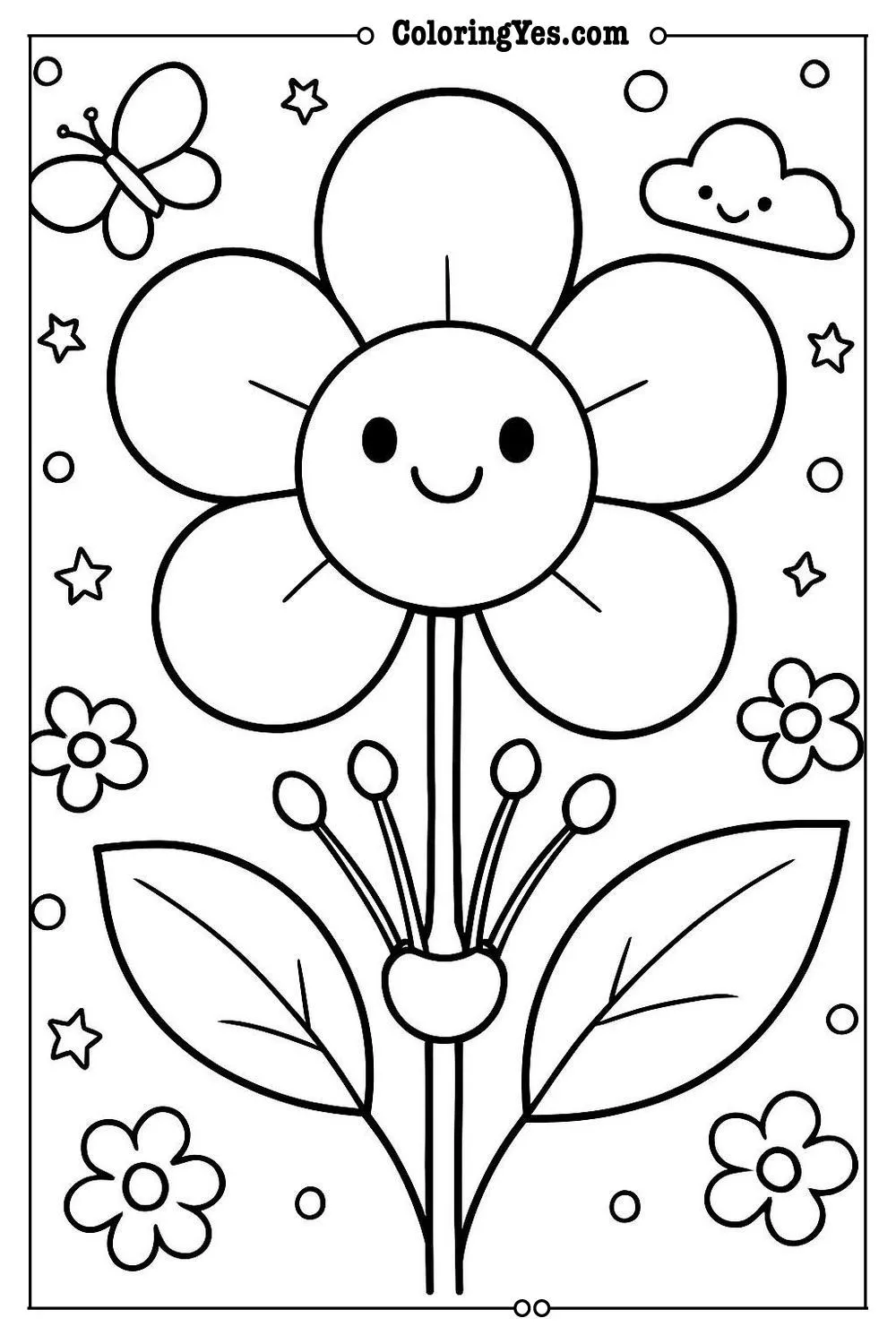
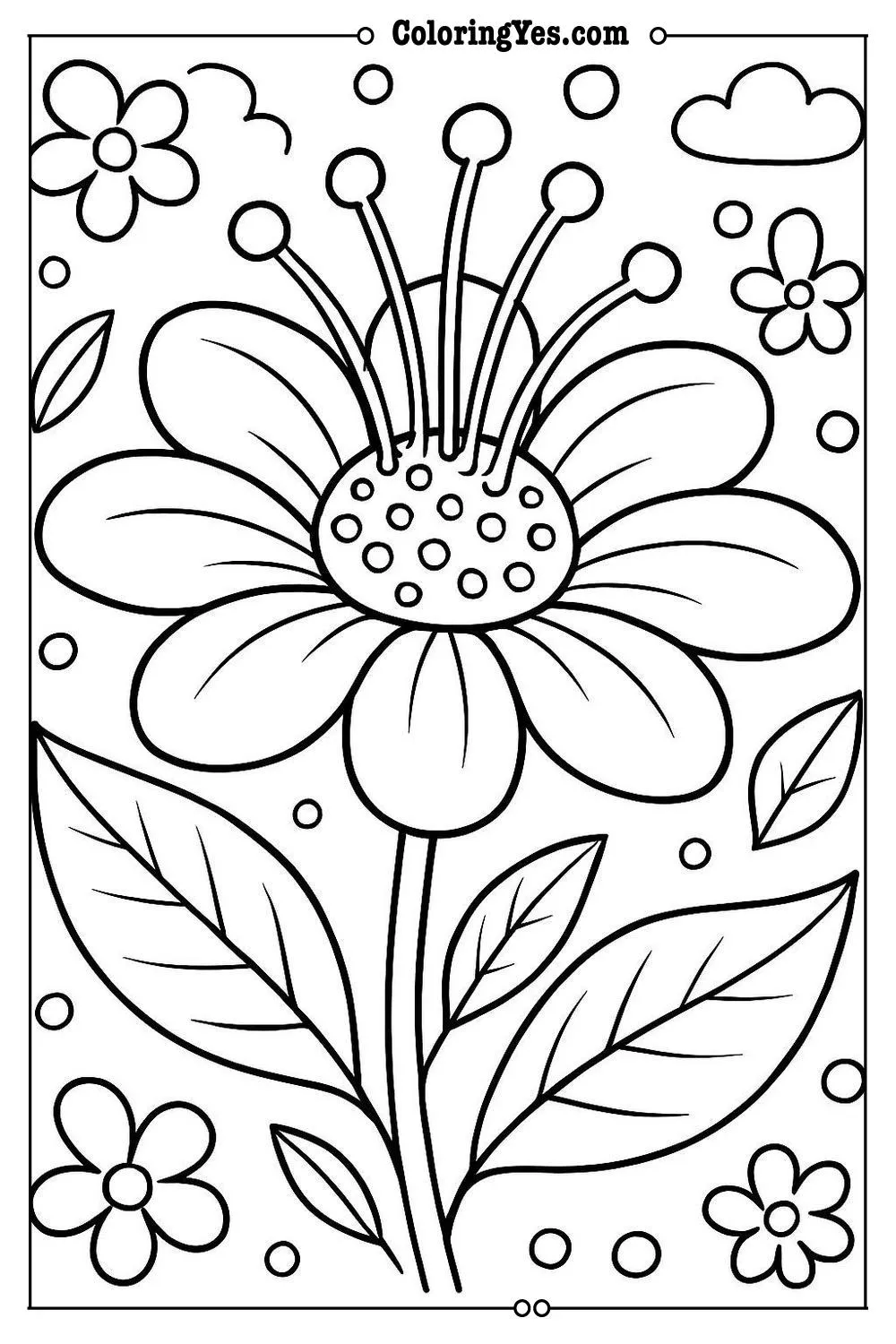
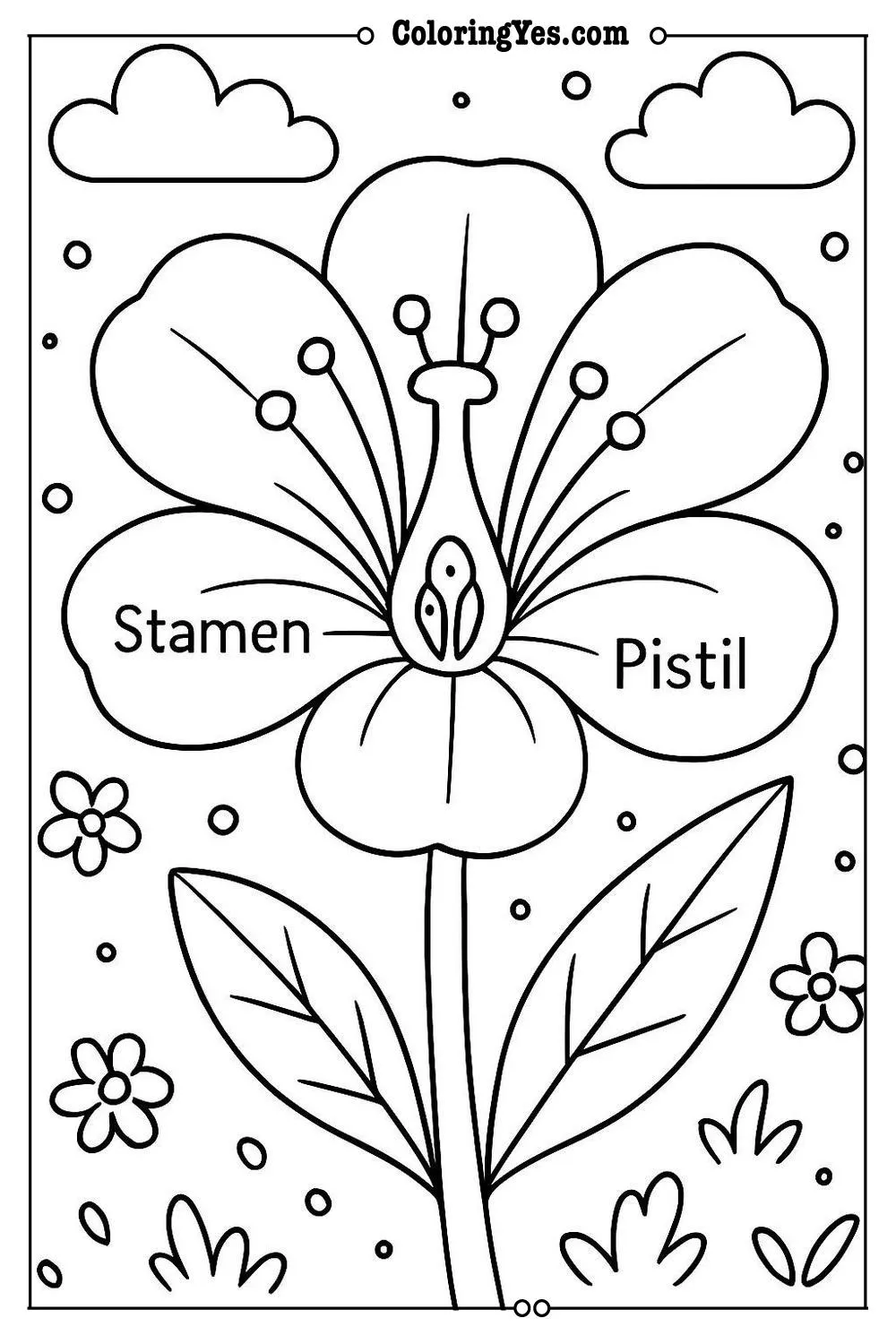
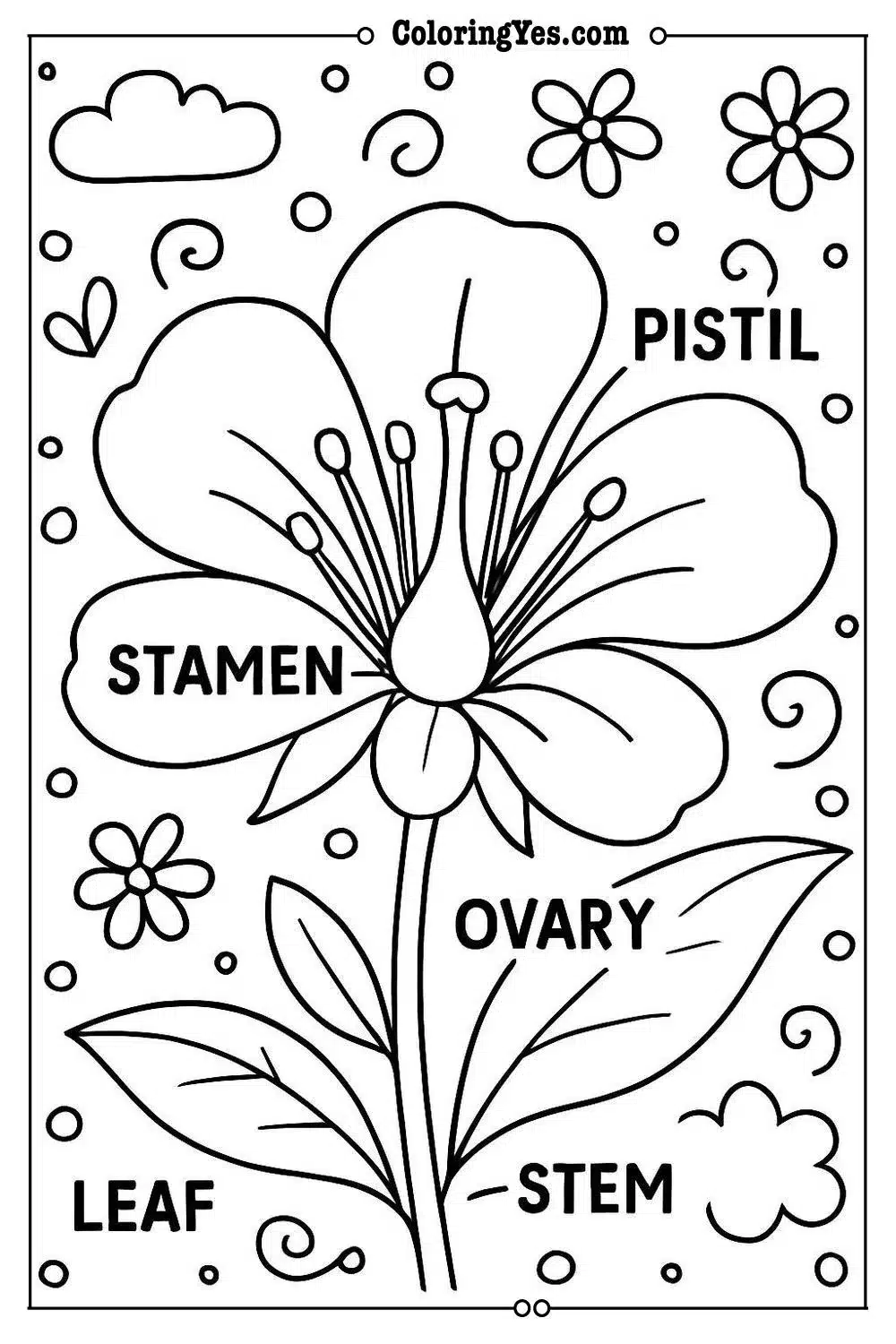
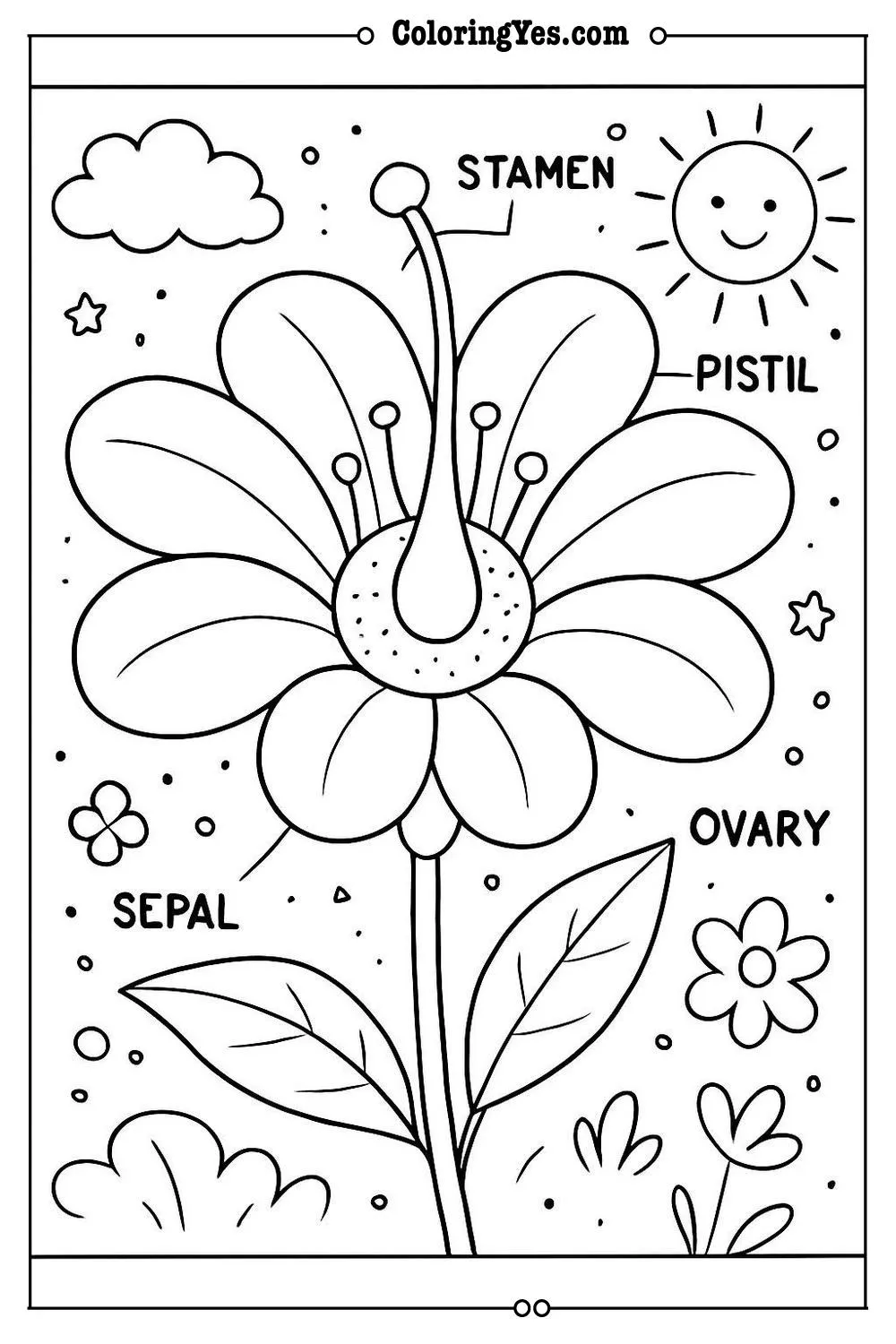
Coloring pages focused on flower anatomy go far beyond simple artistic expression. They serve as interactive learning tools that help students understand plant structure, from the delicate petals to the hidden reproductive organs beneath the surface. In this comprehensive guide, we’ll explore five of the best ideas for utilizing anatomy of a flower scientific coloring pages, along with practical tips for downloading, printing, and maximizing their educational and creative potential.
—
Free Printable Anatomy of a Flower Scientific Coloring Pages
When it comes to free printable resources, anatomy of a flower scientific coloring pages stand out as exceptional educational assets. These collections feature detailed botanical illustrations that label each component of a flower’s structure, making them ideal for visual learners who benefit from combining art with science.
The best free collections include a variety of flower types—from simple, cross-sectional diagrams showing the stamen, pistil, and ovary, to more complex illustrations featuring multiple flower species with their unique anatomical characteristics. Each page typically includes labels for essential parts such as the sepal, petal, anther, stigma, filament, and receptacle, allowing colorists to reinforce their understanding while selecting colors for each botanical element.
These printable pages are designed with accessibility in mind. Whether you prefer high-contrast black-and-white designs for crisp printing or lightly shaded backgrounds that guide your color choices, you’ll find options to suit your preferences. Many resources offer pages in PDF format, ensuring consistent quality across different printers and devices. The pages range from single-flower studies to comprehensive diagrams showing cross-sections, external views, and comparative anatomy of different plant species.
What makes these resources particularly valuable is their versatility. Teachers can use them in science curricula, parents can engage their children in screen-free learning, and adult learners can deepen their botanical knowledge while enjoying the therapeutic benefits of coloring. Each page becomes both an educational reference and a creative outlet.
—
Anatomy of a Flower Scientific Coloring Pages for Kids
Children benefit tremendously from interactive learning experiences, and anatomy of a flower scientific coloring pages designed specifically for younger learners make botanical concepts accessible and engaging. These kid-friendly versions simplify complex anatomical structures without sacrificing accuracy, making science feel approachable rather than intimidating.
Recommended Age Ranges:
– Ages 4-6: Simple flower outline pages with just 4-6 labeled parts (petals, stem, center)
– Ages 7-9: Intermediate pages featuring 8-12 labeled parts with color-coded suggestions
– Ages 10+: Detailed anatomical diagrams with all primary and secondary flower components
Developmental Benefits for Children:
Fine motor skill development is one of the most significant advantages. As children carefully color within lines and handle crayons or colored pencils, they strengthen hand-eye coordination and muscle control essential for writing. The focused nature of coloring promotes concentration and attention span, helping children develop the ability to sustain engagement with a single task.
Beyond physical benefits, these pages foster scientific curiosity. When children color a flower’s stamen or label its sepals, they’re creating mental associations between visual representations and botanical vocabulary. This multi-sensory learning approach—combining visual input, motor activity, and cognitive engagement—enhances information retention significantly more than passive observation.
The child-friendly design elements include:
– Larger illustration areas for easier coloring
– Thicker outline lines that are forgiving for developing hand control
– Simplified backgrounds that don’t overwhelm or distract
– Color guides and suggestions that help children make choices without requiring external references
– Fun, relatable flower types like sunflowers, tulips, and daisies that children recognize
Anatomy of a Flower Scientific Coloring Pages for Teens & Adults
While children find joy in simplified designs, teenagers and adults often seek more intellectually stimulating and visually complex coloring experiences. Advanced anatomy of a flower scientific coloring pages cater to this preference by offering intricate, detailed botanical illustrations that challenge and satisfy more sophisticated creative minds.
Design Complexity and Detail:
Mature-oriented pages feature:
– Highly detailed cross-sectional diagrams showing cellular structures and vascular systems
– Multiple flower specimens on a single page for comparative anatomy study
– Fine line work that rewards precision and patience
– Extensive labeling using scientific nomenclature and Latin terminology
– Decorative elements such as botanical frames, accompanying leaves, and secondary plant structures
– Layered illustrations showing both external beauty and internal complexity
Stress Relief and Mindfulness Benefits:
The therapeutic value of coloring for adults has gained substantial research support. The repetitive, focused nature of color selection and application engages the brain’s prefrontal cortex—the region responsible for reasoning and executive function—while simultaneously quieting the amygdala, which processes stress and anxiety. This state mirrors the benefits of meditation and mindfulness practices.
For adults, anatomy of a flower scientific coloring pages offer the additional advantage of intellectual engagement. Unlike purely decorative mandalas or abstract patterns, scientific coloring combines creative expression with learning. This dual benefit appeals to lifelong learners, hobbyists, and professionals seeking screen-free downtime that still stimulates the mind.
The act of selecting colors for different anatomical parts encourages contemplation. You might consider how pigmentation actually occurs in flowers, why certain structures are colored as they are, or how the choice of color affects your perception of botanical function. This reflective process deepens both creativity and scientific understanding.
Educational & Creative Benefits of Coloring Pages
The value of anatomy of a flower scientific coloring pages extends far beyond simple entertainment. These resources offer multifaceted benefits for cognitive development, emotional well-being, and creative growth across age groups.
Benefits for Children:
1. Scientific Literacy Development – Regular engagement with anatomical illustrations builds foundational botanical knowledge. Children learn flower parts in context, making vocabulary stick through visual association.
2. Fine Motor Development – Coloring strengthens hand muscles and improves pencil control, directly supporting writing readiness and academic success.
3. Focus and Attention – Sustained coloring activities extend children’s ability to concentrate, a skill that transfers to reading, math, and other classroom learning.
4. Creativity and Self-Expression – While following anatomical accuracy, children still make color choices that reflect their personality and preferences, balancing structure with creativity.
5. Screen-Free Learning – In our digitally saturated world, these tactile activities provide valuable breaks from screens while maintaining engagement.
Benefits for Teens:
1. STEM Engagement – These pages make science tangible and personally creative, helping teens see science as accessible rather than abstract.
2. Stress Reduction – Academic pressure peaks during teenage years; coloring provides a healthy coping mechanism.
3. Skill Development – Precision and attention to detail improve through practice, transferring to art, design, and technical fields.
4. Science Communication – Creating colored scientific illustrations develops the ability to communicate complex information visually—a crucial skill in professional contexts.
Benefits for Adults:
1. Cognitive Recreation – The combination of learning and creativity engages multiple brain systems simultaneously, providing more robust mental exercise than passive activities.
2. Anxiety and Stress Management – Clinical research supports coloring as an effective tool for managing anxiety, particularly when the activity has intellectual components.
3. Mindfulness Practice – The focused attention required for coloring naturally cultivates present-moment awareness.
4. Continued Learning – Adults engage with new scientific information in a low-pressure, creative context, supporting lifelong learning goals.
5. Improved Sleep Quality – Screen-free evening activities with calming properties promote better sleep patterns.
How to Download and Print the Anatomy of a Flower Scientific Coloring Pages
Accessing and preparing your anatomy of a flower scientific coloring pages for use is straightforward when you follow these practical steps.
Step-by-Step Download Instructions:
Step 1: Locate the Resource
– Visit the website or platform offering free coloring pages
– Search specifically for “anatomy of a flower scientific coloring pages” or “botanical anatomy coloring sheets”
– Preview the available designs to select pages matching your needs
Step 2: Download the File
– Click the download button (typically labeled “Download PDF” or “Download Image”)
– Choose your preferred file format:
– PDF format: Best for consistent printing across different devices; maintains page layout and quality
– PNG format: Ideal if you want to edit pages using design software before printing
– Save the file to your computer with a descriptive name for easy retrieval
Step 3: Choose Your Paper
– Standard Copy Paper (20 lb): Budget-friendly, suitable for casual coloring with colored pencils
– Premium Cardstock (65-110 lb): Ideal for markers or watercolors; prevents bleed-through
– Watercolor Paper: Recommended for adult artists using wet media
– Matte Photo Paper: Provides excellent color vibrancy without gloss
Step 4: Adjust Printer Settings
– Open the PDF or image file
– Access your printer settings (Ctrl+P on Windows; Cmd+P on Mac)
– Select page size: typically 8.5″ x 11″ (letter size) or 11″ x 17″ (tabloid for larger designs)
– Choose print quality: “Best” or “High Quality” for crisp lines and clear labels
– Disable any automatic scaling that might resize the image
Step 5: Print
– Review the print preview to ensure the entire image will print correctly
– Insert your chosen paper into the printer’s main tray
– Click “Print” and allow sufficient time for the page to fully dry if using high-ink-saturation settings
Classroom and Home Use Variations:
For classroom use, consider:
– Printing multiple copies on standard paper for distribution
– Selecting larger tabloid-sized prints if color mixing and precise detail work is intended
– Laminating pages for reuse with dry-erase markers
– Printing in grayscale to reduce ink costs without sacrificing clarity
For home use, you might:
– Print on premium paper for a more gallery-quality finished product
– Create a personalized coloring book by compiling your favorite pages
– Frame completed pages as educational art pieces
Creative Ways to Use These Coloring Pages
Beyond traditional coloring, anatomy of a flower scientific coloring pages can be repurposed in numerous creative and educational applications that extend their value and engagement potential.
Classroom Activities:
1. Interactive Science Lessons – Use coloring as the kinesthetic component of multi-modal instruction. Students read about flower anatomy, observe real specimens, then reinforce learning through coloring labeled diagrams.
2. Assessment Tools – Completed pages can reveal student understanding of botanical terminology and structure. Ask students to label parts without printed guides to assess retention.
3. Interdisciplinary Projects – Combine with language arts by having students write descriptive paragraphs about their colored flowers, or pair with art education to discuss color theory as applied to botanical accuracy.
4. Group Murals – Enlarge pages and have small groups collaborate on large-format coloring projects displayed in hallways.
Home Craft and Educational Projects:
1. Family Learning Nights – Create a screen-free family activity where everyone colors together, followed by discussion about flower biology.
2. Science Journal Inserts – Paste colored pages into science notebooks with handwritten annotations about each flower part’s function.
3. Dried Flower Pressing Projects – Color the scientific diagrams, then press and dry flowers to compare with your artwork.
4. Gift and Greeting Cards – Frame or mount completed pages as personalized gifts for botanical enthusiasts, teachers, or friends interested in science education.
5. Room Decoration – Mount colored pages in frames for attractive, educational wall displays in bedrooms, offices, or classrooms.
Advanced Creative Applications:
– Mixed Media Art – Combine watercolor, ink, and colored pencils on botanical pages for sophisticated artwork
– Presentation Visuals – Use colored pages in student presentations about plant biology, ecology, or horticulture
– Photography Backdrops – Use large laminated colored pages as backgrounds for science-themed photography projects
– Educational Flashcards – Laminate pages and create flashcard sets using the colored diagrams for group study
Related Coloring Pages You May Like
If you’ve enjoyed anatomy of a flower scientific coloring pages, you’ll likely appreciate these complementary resource collections:
1. Plant Cell Anatomy Coloring Pages
These pages extend botanical learning to the microscopic level, showing cellular structures like mitochondria, chloroplasts, and cell walls. Perfect for students progressing from organism-level to cellular-level biology, these pages pair excellently with flower anatomy studies to provide comprehensive plant education.
2. Photosynthesis Process Coloring Pages
Understand the biochemical processes that power flowers by coloring diagrams showing light-dependent and light-independent reactions. These pages connect flower anatomy to function—students color the chloroplasts and structures involved in energy production.
3. Plant Life Cycle and Pollination Coloring Pages
Move beyond static anatomy to dynamic processes by coloring illustrations showing germination, growth, flowering, and pollination. These pages help students understand how flower structures function in reproduction.
4. Butterfly and Flower Interaction Coloring Pages
Combine botanical and zoological learning by coloring pages showing pollinator-flower relationships. Students color both anatomical flower structures and the insects that interact with them.
5. Seasonal Flowers and Blooming Cycles Coloring Pages
Explore biodiversity by coloring different flower species organized by blooming season. These pages promote botanical awareness while maintaining the anatomical focus of structure and function.
6. Garden Ecosystem Coloring Pages
Expand from individual flowers to ecological contexts, coloring pages showing flowers within their natural habitats alongside companion plants, soil structures, and environmental elements.
Each of these complementary resources deepens botanical knowledge while maintaining the educational and creative value you’ve discovered with anatomy of a flower scientific coloring pages.
Frequently Asked Questions
Q1: Are all anatomy of a flower scientific coloring pages truly free to use?
A: The vast majority of quality botanical coloring pages available online are offered free for personal use, educational purposes, and non-commercial applications. Always check the specific website’s terms of use, as licensing varies. Educational institutions and parents can confidently use most resources for classroom and home learning without legal concerns. However, commercial use (selling printed pages, republishing, or creating derivative products for sale) typically requires permission or licensing agreements.
Q2: What age is most appropriate to start using scientific anatomy coloring pages?
A: Children as young as three to four years can enjoy simple flower coloring pages with minimal labels. However, anatomy of a flower scientific coloring pages with meaningful learning value are most appropriate starting around age six or seven when children can understand basic botanical terminology and benefit from labeled structure identification. The complexity should scale with age: younger children (6-9) work with 6-12 labeled parts; older children and teens (10+) engage with more comprehensive diagrams including cellular structures and multiple flower species for comparison.
Q3: What are the best coloring materials for botanical coloring pages?
A: Colored pencils are ideal for precise detail work and allow for layering and blending. Markers work well for bold, vibrant color but may bleed through thinner papers. For detailed scientific pages, use premium colored pencils on matte cardstock or watercolor paper. Younger children benefit from thicker markers or crayons that are easier to control. Watercolors add a sophisticated, artistic dimension for adults who want to experiment with color mixing and technique.
Q4: Can teachers use these pages in classroom settings?
A: Yes, absolutely. Educational use is the primary purpose of most free coloring pages. Teachers can print pages for their classes, create laminated reusable sets, incorporate them into lesson plans, and display student work. Many teachers enlarge pages to poster size for group activities or create custom presentations incorporating colored student examples. Just confirm that the specific resource’s license permits classroom use—nearly all educational botanical resources do.
Q5: How do I ensure my printed pages maintain clear labels and details?
A: Print using your “Best” or “High Quality” setting. Use cardstock or premium copy paper rather than standard thin paper. Ensure your printer’s ink cartridges are in good condition (low ink produces faded output). Download files in PDF format when available, as PDFs maintain formatting consistency. If labels appear too small, use the print dialogue to enlarge the page (typically 110-125% scaling maintains quality). Test-print one page before printing large batches to verify output quality and make adjustments as needed.
Conclusion
Anatomy of a flower scientific coloring pages represent a powerful intersection of art, education, and creative relaxation. Whether you’re a parent fostering curiosity in young learners, a teacher seeking engaging STEM resources, or an adult exploring botanical knowledge through artistic expression, these pages deliver exceptional value. They transform fundamental concepts of plant biology into interactive, personally meaningful learning experiences.
Ready to get started? Download your first collection of free printable pages today, gather your favorite coloring materials, and experience the unique satisfaction of combining scientific learning with creative expression. Share your beautifully colored botanical creations with friends and family, or use them as educational resources in your classroom or home. Subscribe to our resource library for regular updates on new scientific coloring page collections, teaching tips, and creative inspiration delivered directly to your inbox.